Key Highlights
| August,2026 | |
| Android 16, HyperOS 3 | |
| 6.99″ 1080×2396 pixels | |
| 50MP 1080p | |
| 6/8GB RAM | |
| 7700mAh | |
| Snapdragon 4 Gen 4 | |
| Starting $181 USD Euro~€155 |
Xiaomi Redmi Note 17 Specifications
Basic Info
| Model Name | Xiaomi Redmi Note 17 |
|---|---|
| Launch Date | August, 2026 |
| Status | Launched |
| Model Number | 26081RA18G |
| Software | Android 16 |
| OS Updates | Android 16, up to 3 major upgrades |
Network & Connectivity
| Network Technology | GSM / HSPA / LTE / 5G |
| 5G Bands | 1, 2, 3, 5, 7, 8, 12, 20, 26, 28, 38, 40, 41, 48, 66, 77, 78 SA/NSA |
| 4G Bands | 1, 2, 3, 4, 5, 7, 8, 12, 17, 18, 19, 20, 26, 28, 32, 38, 40, 41, 42, 48, 66 |
| Speed | HSPA, LTE, 5G |
| SIM Type | Nano-SIM + Nano-SIM |
| eSIM | No |
| Wi-Fi | Wi-Fi 802.11 a/b/g/n/ac, dual-band |
| Bluetooth | 5.1, A2DP, LE |
| Positioning | GPS, GLONASS, GALILEO, BDS (B1I + B1C) |
| NFC | Yes (market/region dependent) |
Design & Build
| Dimensions Weight | 169.7 x 79.1 x 8.5 mm (6.68 x 3.11 x 0.33 in) 225 g (7.94 oz) |
| Build | Glass front (Gorilla Glass 7i), plastic back, plastic frame |
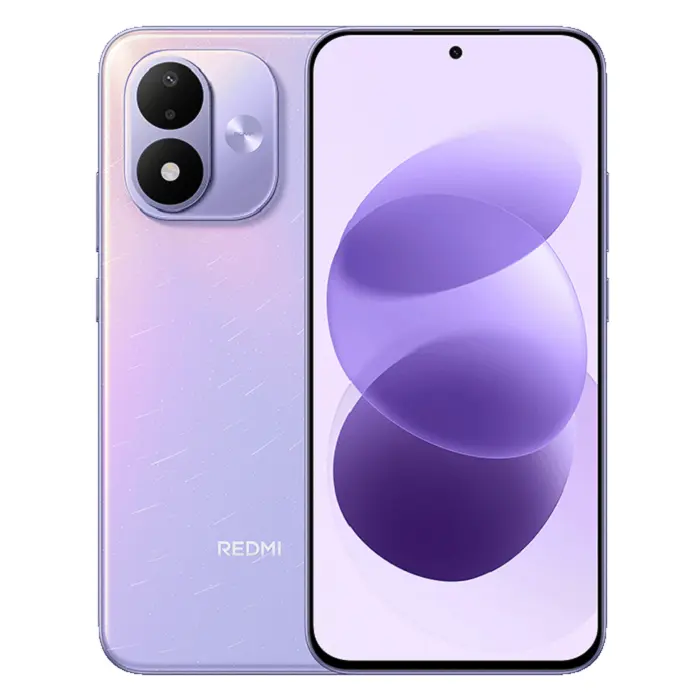
| Colors | Celestial Purple, Sky Teal, Black |
| IP Rating | IP65 dust tight and water resistant (low pressure water jets) |
Display
| Size | 6.99 inches, 118.7 cm2 (~88.4% screen-to-body ratio) |
| Type | AMOLED, 120Hz, 700 nits (typ), 1200 nits (HBM), 1800 nits (peak) |
| Resolution | 1080 x 2396 pixels (~375 ppi density) |
| HDR | Ultra HDR image support |
| Protection | Corning Gorilla Glass 7i |
Performance
| Chipset | Snapdragon 4 Gen 4 (4 nm) |
| CPU | Octa-core (2×2.3 GHz Cortex-A78 & 6×1.95 GHz Cortex-A55) |
| GPU | Adreno 613 |
| RAM | 12GB RAM |
| Storage | 128GB 6GB RAM, 256GB 6GB RAM, 256GB 8GB RAM |
| Storage Type | UFS 2.2 |
| microSD | No |
Main Camera
| Wide | 50 MP, f/1.8, 26mm (wide), 1/2.76″, 0.64µm, PDAF |
| Telephoto | No |
| Ultrawide | No |
| Features | LED flash, HDR, panorama |
| Video | 1080p@30fps |
Front Camera
| wide | 16 MP, f/2.5, (wide), 1/3.0″ |
| Features | HDR |
| Video Recording | 1080p@30fps |
Battery & Charging
| Battery Type | Si/C Li-Ion |
| Capacity | 7700 mAh |
| Wired Charging | 45W wired, PD3.0 |
| Wireless Charging | No |
| Reverse Charging | 22.5W reverse wired |
| USB | USB Type-C 2.0, OTG |
Audio & Sensors
| Speaker | Yes, with Dual Stereo Speakers |
| 3.5mm Jack | NO |
| Sensors | Fingerprint (under display, optical), accelerometer, compass Virtual proximity sensing |
Security & Biometrics
| Fingerprint | Fingerprint (under display, optical) |
| Face Unlock | Yes |
Others
| OTG | Yes |
| FM Radio | No |
| Box Contents | Phone, 45W wired charger, USB-C Cable, Protective Case, SIM Eject Tool, Screen Protector), and User Manual. |
Final Thoughts: The Mid-Range Endurance Champion
The Xiaomi Redmi Note 17 5G shifts focus away from raw performance to offer an unrivaled budget package prioritized for everyday longevity. Its defining achievement is squeezing an immense 8,000 mAh battery into an 8.4mm chassis, ensuring multiple days of heavy usage.
While the entry-level Qualcomm Snapdragon 4 Gen 4 processor and single 50MP rear camera present a performance compromise over past generations, the phone excels in core user-experience fundamentals. The massive 6.99-inch 120Hz OLED screen delivers flagship-tier brightness and fluid visuals. Running on HyperOS 3 (Android 16), it boasts a class-leading update promise of 4 major OS upgrades and 6 years of security patches, offering exceptional value and peace of mind for the budget-conscious consumer.
- AnTuTu (v10): ~700,000 | Provides stable, smooth daily performance and casual, mid-tier 60FPS gaming.
- Geekbench (Multi-Core): Class-average processing scores that handle light multitasking, social media apps, and video streaming with ease.
- Sustained CPU Load: Exceptionally cool operation under stress due to the low-power consumption nature of the efficient 6nm architecture chipset.
- Battery Endurance: Over 48 hours of typical mix-use endurance; rated for an impressive 1,600 charging cycles while maintaining 80%+ battery health.
- Audio Loudness: -25.1 LUFS | “Good” mono speaker setup equipped with a 200% volume boost feature.
Design & Build: 8.2 / 10
The design follows modern 2026 aesthetics with flattened edges and vibrant back finishes. Though it has a plastic frame and back panel, it feels sturdy and implements Gorilla Glass 7i protection on the display. It manages to maintain a reasonable 8.4mm thickness and a 225g distribution despite housing its giant battery cell. Ingress safety features modern entry-level IP65 dust and water resistance.
Display: 8.8 / 10
The immense 6.99-inch OLED display is the visual highlight of the hardware profile. Supporting a 120Hz refresh rate and a blinding 1,800 nits peak brightness, it handles daylight outdoor viewing perfectly. Colors default to a heavily saturated, hyper-vibrant profile. It comes with integrated Under-Display Optical Fingerprint authentication and safe DC/PWM dimming certification.
Performance & Software: 7.5 / 10
The Snapdragon 4 Gen 4 platform is tuned strictly for efficiency rather than competitive, heavy processing workloads. Storage configuration tops out at an acceptable UFS 2.2 metric. Fortunately, the light operational layer of HyperOS 3 ensures everyday animations and messaging systems feel snappy, backed by unmatched 6-year software lifespan support.
Cameras: 6.8 / 10
Hardware optimizations forced a downgrade to a single 50MP f/1.8 rear camera sensor and a standard 8MP front-facing lens. It captures simple, well-lit day photography with decent sharpness relative to its price, but lacks advanced portrait sensors, ultra-wide perspectives, and macro capabilities. Video recording limits capturing feeds to 1080p at 30fps across both systems.
Battery & Charging: 9.8 / 10
1. How long does the 8,000 mAh battery actually last on a single charge?
For average daily use like social media browsing, messaging, and occasional streaming, the battery easily lasts between 2.5 to 3 days. Even under highly intensive usage or heavy streaming workloads, it comfortably delivers over 48 hours of continuous operation without needing a plug.
2. Does the huge battery capacity make the phone feel heavy or bulky?
The phone weighs 225 grams and has a thickness profile of 8.4mm. While it feels noticeably heavier in the hand than standard mid-range devices, Xiaomi has distributed the internal hardware weight evenly to keep it comfortable for one-handed operation.
3. Can the Snapdragon 4 Gen 4 processor run heavy mobile games?
It handles casual, everyday games smoothly at standard refresh rates. However, it is optimized for battery efficiency rather than competitive graphical processing. Heavy, graphically demanding games will experience noticeable frame drops and lowered resolution settings.
4. How many software updates will the phone receive?
The device launches with HyperOS 3 based on Android 16 and is backed by an industry-leading commitment for a budget device. It will receive 4 major Android OS upgrades (supporting it up to Android 20) and 6 full years of security patches.
Disclaimer. We can not guarantee that the information on this page is 100% correct.