
- The Pixel 11 Pro’s strongest reasons to buy are its camera consistency, compact 6.3-inch format, clean Pixel software and seven-year update promise.
- Tensor G6 feels smooth in everyday use, but independent review evidence does not show a dramatic raw-performance leap.
- Google lists a 50MP wide, 48MP ultrawide and 48MP telephoto system with up to 120x Pro Zoom.
- Qi2.2 Pixelsnap charging is convenient, while wired charging remains a relative weakness in independent testing.
- At a $1,099 U.S. launch price, the upgrade makes most sense for owners of older Pixels rather than recent Pro models.
Review summary
This Google Pixel 11 Pro review is a source-backed assessment built from Google’s official specifications and a three-week independent review; PhoneSpecX has not personally tested the handset. The evidence points to a familiar Pixel formula executed well: a compact premium design, excellent cameras, reliable daily performance and clean software. The less convincing parts are Google’s headline HiLight feature, charging speed and the size of the upgrade over the previous generation.
| Area | Review verdict |
|---|---|
| Design and display | Compact, bright and refined |
| Everyday performance | Smooth and dependable |
| Camera | The main reason to buy |
| Battery | Strong official endurance claim; usage varies |
| Wired charging | Acceptable, but behind faster rivals |
| Software | Polished Pixel UX; some new AI features need maturity |
| Value | Best for older-Pixel upgraders and camera-first buyers |
Who the Pixel 11 Pro is for
The Pixel 11 Pro fits buyers who want a smaller flagship without giving up the Pro camera system. Its 6.3-inch display is easier to handle than an XL-class phone, while the triple rear cameras, 16GB of RAM and premium storage options keep the core experience uncompromised.
It is especially attractive to users coming from a Pixel 8 Pro or older device, anyone who values Google’s camera processing, and buyers who plan to keep a phone for many years. Owners of a recent Pixel 10 Pro should be more cautious: the new hardware is refined, but the independent review evidence suggests the day-to-day experience is evolutionary rather than transformative.
Design and display
Google uses a 6.3-inch Super Actua display rated for up to 3,600 nits peak brightness. Gorilla Glass Victus 2 and a new anti-scratch coating protect the front; Google claims more than double the scratch resistance of the Pixel 10 Pro. The device is designed for IP68 dust and water resistance, although that resistance is not permanent.
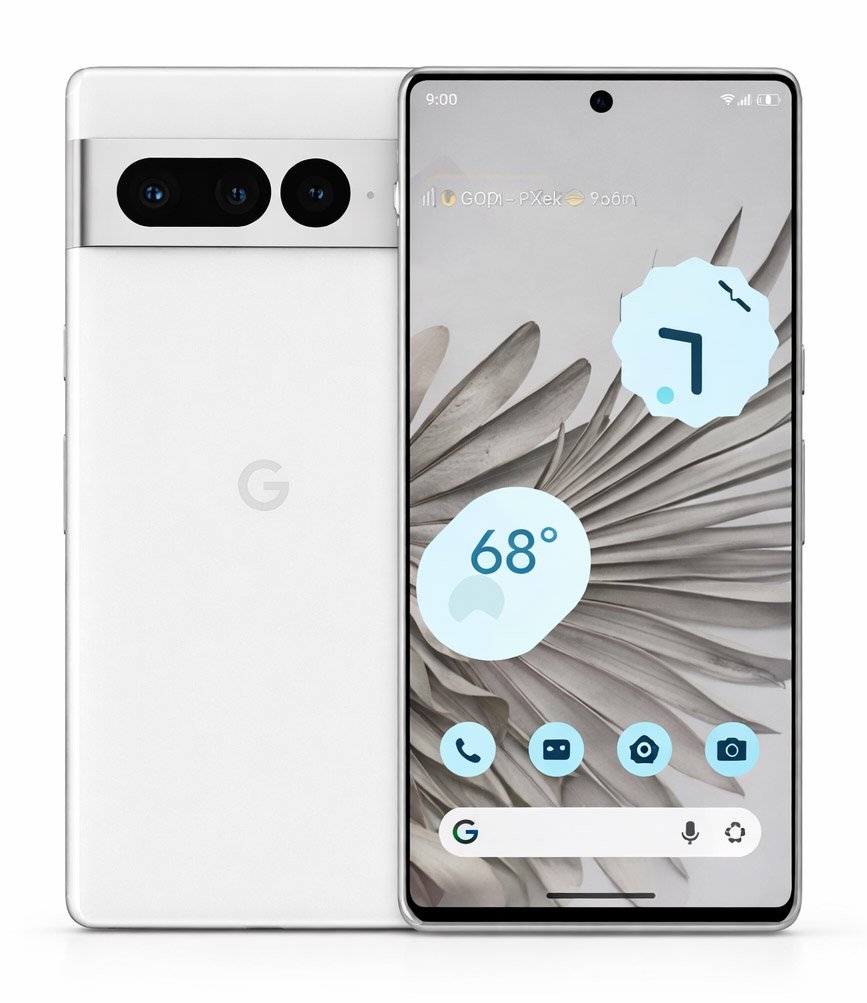
The camera bar is thinner, and the phone is sold in Canyon, Fog, Olive and matte Obsidian. The compact footprint is a genuine differentiator in a market dominated by large Pro phones. Buyers wanting a bigger canvas can consider the Pro XL, but the standard Pro delivers the same general design language in a more manageable body.
Performance and connectivity
Tensor G6 and 16GB of RAM power the Pixel 11 Pro, with a vapor chamber helping manage heat. Google claims 25% faster web browsing, 15% quicker app launches and substantially faster on-device AI compared with Tensor G5. Those are internal comparisons, so they should not be treated as universal benchmark gains.
Android Authority’s three-week review found everyday performance smooth and reliable and called out a much-improved modem. It also concluded that Tensor G6 is not a major raw-performance jump. That makes the Pixel 11 Pro well suited to normal apps, photography and Pixel AI, but buyers chasing maximum gaming frame rates should compare sustained benchmarks. Our Pixel 11 Pro XL Tensor G6 benchmark analysis offers more performance context.
Camera quality and flexibility
The rear system combines a 50MP wide camera, 48MP ultrawide and 48MP telephoto. Google adds 5x Portrait Mode and up to 120x Pro Zoom, while the 42MP autofocus selfie camera has a wide 103-degree field of view. Video features include 8K Video Boost and Pro Stable Video.
Independent review evidence is strongly positive: the camera system was praised for producing excellent results with little effort. That consistency matters more than maximum zoom marketing. Google also claims a larger telephoto sensor with 30% more light sensitivity and faster Night Sight processing. Results at 120x will vary, but the combination of three capable sensors and Pixel processing remains the clearest reason to choose this phone. See the complete Pixel 11 Pro specifications for the full hardware breakdown.
Battery and charging
Google claims more than 30 hours of battery life under its test conditions. The Pixel 11 Pro can reportedly reach up to 75% in about 30 minutes with a compatible wired charger. Real endurance and charge speed depend on brightness, signal, apps, temperature and charger support.
Independent testing provides useful perspective: Android Authority measured 86 minutes for a full Pixel 11 Pro charge, almost unchanged from the Pixel 10 Pro in its test. The reviewer also criticized charging heat. The brighter story is wireless charging: built-in Pixelsnap magnets support Qi2.2 at up to 25W, making alignment and accessory use much easier. Wired speed is adequate, but convenience is the stronger part of the charging package.
Pixel software, AI and HiLight
The Pixel interface remains a major strength. Tensor G6 runs Google’s current Gemini features, and Titan M3 adds a security layer with post-quantum cryptography for secure boot. Google promises seven years of operating-system, security and Pixel Drop updates from launch, which materially improves long-term value.
The new HiLight LEDs around the camera flash can signal calls and Gemini activity while the phone is face down. The idea is clever, but the independent review found its launch functionality too limited. Proactive Assistance also failed to appear usefully often during that reviewer’s three-week period. These features may improve through updates, but they should not be the main reason to buy today.
Storage, price and long-term value
The Pixel 11 Pro starts with 256GB and is also available with 512GB or 1TB. Google lists Zoned UFS for the two higher capacities. The U.S. launch price was $1,099 before trade-in, while regional pricing differs; availability began on August 20, 2026.
At that price, the phone must compete on experience rather than headline specifications alone. Seven years of support, excellent cameras and a compact premium build help justify the cost for long-term owners. The value case is weaker if you already have a Pixel 10 Pro or if wired charging and peak gaming performance matter more than software polish.
Pros and cons
| Pros | Cons |
|---|---|
| Excellent, dependable cameras | HiLight is limited at launch |
| Bright 6.3-inch display | Charging is not class-leading |
| Smooth Pixel software | Modest raw-performance upgrade |
| Qi2.2 Pixelsnap convenience | High $1,099 starting price |
| Seven years of updates | Some proactive AI features need maturity |
The balance is favorable for camera-first Pixel fans, but it is not an automatic annual upgrade.
Alternatives to consider
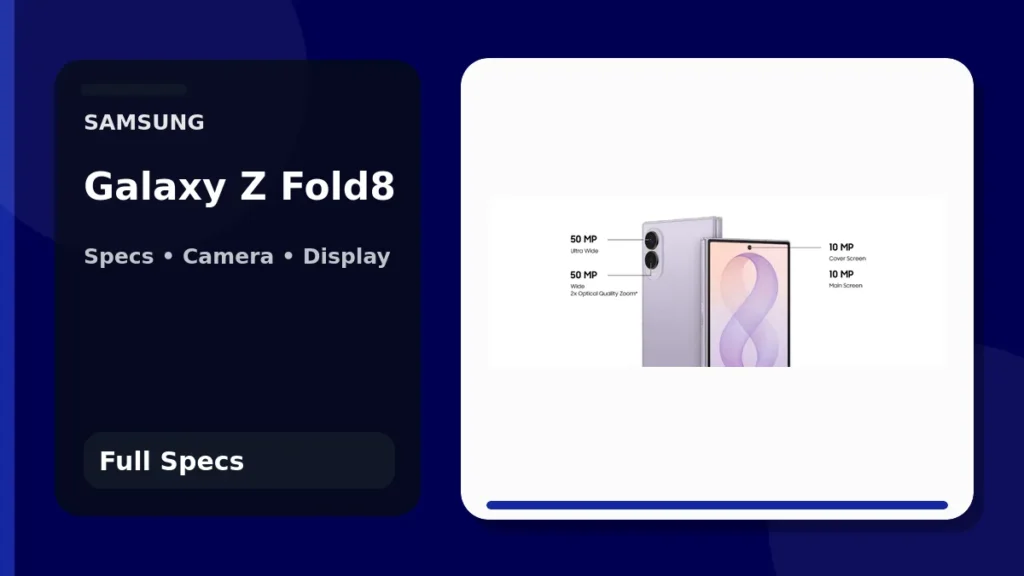
The Pixel 11 Pro XL is the obvious alternative if you want a larger display and faster 45W-class wired charging, while the standard Pixel 11 lowers the entry price. Buyers focused on foldables can compare the Pixel 11 Pro Fold against the Galaxy Z Fold8 Ultra.
Recent Samsung and other Snapdragon flagships may offer faster charging or stronger sustained gaming performance. The better choice depends on whether your priorities are Pixel camera consistency and software, or maximum hardware throughput.
Should you upgrade?
Upgrade from a Pixel 8 Pro or older model if you want the brighter compact display, newer cameras, improved modem behavior, Pixelsnap magnets and a fresh seven-year support window. The changes combine into a meaningful quality-of-life improvement across several generations.
Pixel 10 Pro owners can usually wait unless a specific feature solves a real problem. HiLight and Proactive Assistance are not mature enough to justify the switch by themselves, and independent charging results barely changed. Camera refinements, storage needs or a strong trade-in offer are better upgrade reasons.
Final verdict
The Google Pixel 11 Pro review evidence describes a very good flagship whose strengths are familiar and dependable. The camera is versatile, daily performance is smooth, the 6.3-inch design is refreshingly manageable, and seven years of updates make it a credible long-term purchase.
It falls short of perfection because the most visible new features are not yet essential, charging remains slow beside leading rivals, and Tensor G6 is not a dramatic performance leap. Buy it for the polished Pixel experience and camera, not for novelty. For recent Pro owners, waiting another generation is the more rational choice.
Pros & Cons
Pros
- Excellent and dependable camera system
- Bright compact display with improved scratch resistance
- Smooth everyday performance and improved modem behavior
- Built-in Pixelsnap magnets and Qi2.2 charging
- Seven years of software and security updates
Cons
- HiLight has limited usefulness at launch
- Proactive Assistance can be inconsistent
- Wired charging remains slow beside faster flagships
- Tensor G6 is not a major raw-performance leap
- $1,099 starting price raises the value bar