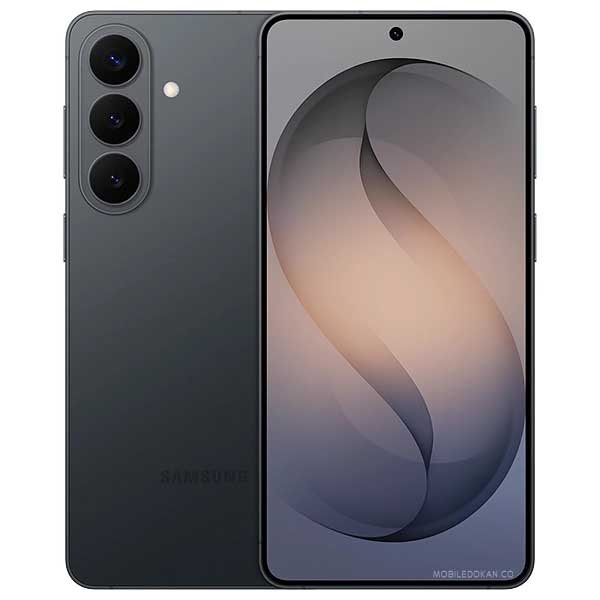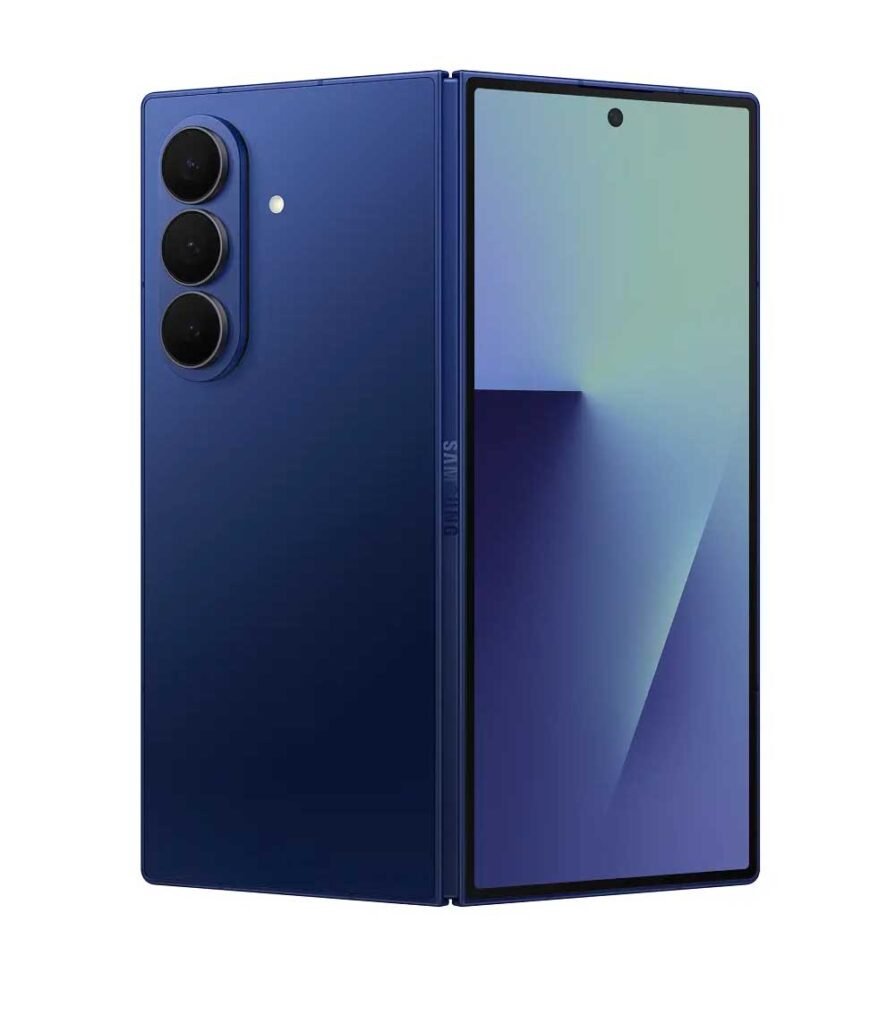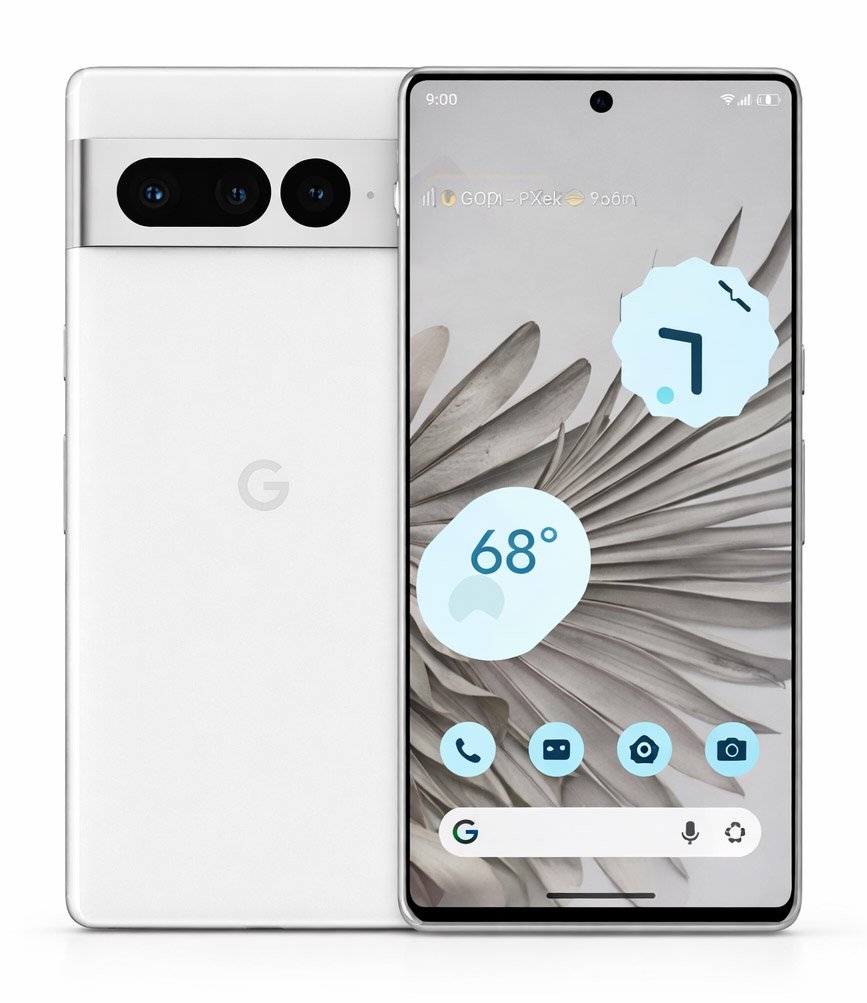
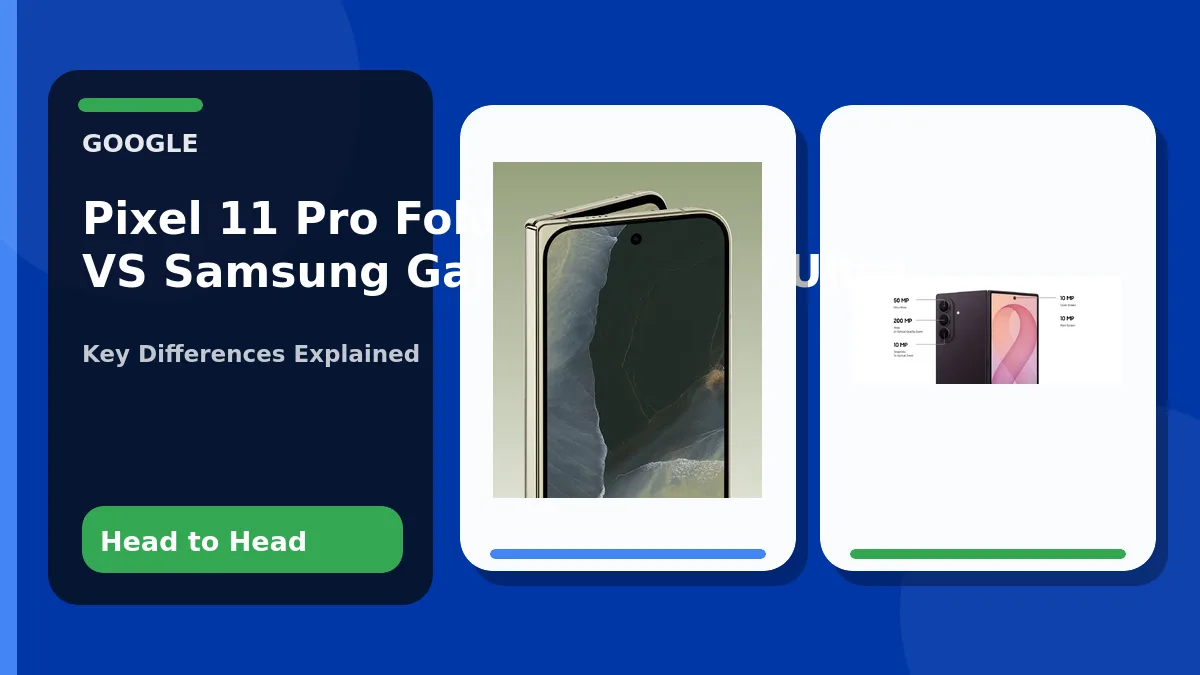
- Samsung has the portability advantage: the Galaxy Z Fold8 Ultra is 24 g lighter, 0.9 mm thinner when unfolded and 1.2 mm thinner when folded.
- Google counters with brighter 3,600-nit peak displays, IP68 protection, 25W Qi2.2 wireless charging and a stated seven-year update commitment.
- The Galaxy offers the more ambitious camera hardware on paper, led by a 200 MP main camera and 50 MP ultrawide; the Pixel emphasizes 5x optical zoom and Google’s computational cam…
- Both use 8-inch inner displays, 6.5-inch cover screens, Android 17, Wi-Fi 7 and Bluetooth 6, so the better choice depends on portability, camera priorities and regional support.
Quick comparison
| Specification | Google Pixel 11 Pro Fold | Samsung Galaxy Z Fold8 Ultra |
|---|---|---|
| Inner display | 8.0-inch OLED, 2076 × 2152, 1–120 Hz, 3,600 nits peak | 8.0-inch AMOLED 2X, 2504 × 2256, 1–120 Hz, up to 3,000 nits |
| Cover display | 6.5-inch OLED, 1080 × 2342, 1–120 Hz | 6.5-inch AMOLED 2X, 1080 × 2520, 1–120 Hz |
| Folded size | 155.2 × 76.0 × 10.1 mm | 72.8 × 158.4 × 8.9 mm |
| Unfolded thickness | 5.0 mm | 4.1 mm |
| Weight | 239 g | 215 g |
| Processor | Google Tensor G6 | Snapdragon 8 Elite Gen 5 for Galaxy |
| Memory and storage | 16 GB; 256 GB, 512 GB or 1 TB | 12/256 GB, 12/512 GB or 16 GB/1 TB |
| Rear cameras | 48 MP wide, 10.5 MP ultrawide, 10.8 MP 5x telephoto | 200 MP wide, 50 MP ultrawide, 10 MP 3x telephoto |
| Battery | 4,806 mAh typical | 5,000 mAh typical |
| Charging | 50% in about 30 minutes; Qi2.2 wireless up to 25W | 45W wired; 20W wireless; Wireless PowerShare |
| Protection | IP68 | IP48 |
| Software | Android 17; seven years of OS, security and Pixel Drop updates | Android 17 with One UI 9 |
This table uses manufacturer specifications. Brightness, charging and battery-life claims come from controlled testing, so real-world results depend on settings, apps, network conditions and temperature.
The biggest differences at a glance
The Google Pixel 11 Pro Fold vs Samsung Galaxy Z Fold8 Ultra contest is unusually close on screen size but not on physical design. Samsung makes the slimmer, lighter foldable. Google puts more emphasis on peak brightness, a stronger dust-resistance rating, magnetic Qi2.2 charging and a clearly documented seven-year software policy.
Camera priorities also diverge. Samsung uses much higher-resolution wide and ultrawide sensors and adds pro-oriented 8K tools. Google keeps a lower-resolution triple-camera system but offers a longer 5x optical telephoto reach, 30x Super Zoom and familiar Pixel processing features such as Night Sight, Best Take and Magic Eraser.
Design and displays
Both phones open to an 8-inch canvas and provide a 6.5-inch outer screen, so neither asks buyers to sacrifice normal phone tasks when closed. The Pixel’s two OLED panels reach a stated 3,600-nit peak, while Samsung lists up to 3,000 nits for the Fold8 Ultra’s main display. Both support adaptive 1–120 Hz refresh rates.
Samsung wins the pocketability comparison. At 215 g it is 24 g lighter than the 239 g Pixel. Its 8.9 mm folded body is also 1.2 mm thinner, and at 4.1 mm unfolded it undercuts Google’s 5.0 mm figure. The Pixel is shorter, while the Galaxy is taller and narrower when closed, so hand feel will still be subjective.
Durability ratings need careful reading. Google’s IP68 rating indicates stronger dust sealing than Samsung’s IP48 rating. Both carry an “8” water-resistance digit, but neither is damage-proof, and water resistance can decline with wear. Buyers who work around fine dust may reasonably prefer the Pixel’s clearer sealing advantage.
Performance, memory and software
Google’s Tensor G6 and Samsung’s Snapdragon 8 Elite Gen 5 for Galaxy target different strengths. Tensor is tightly integrated with Pixel features and on-device Gemini experiences. Samsung positions its Qualcomm platform for demanding multitasking, content creation and sustained foldable-screen workflows, supported by an expanded graphite cooling structure.
The Pixel includes 16 GB of RAM at every storage level. Samsung pairs 12 GB with 256 GB or 512 GB, reserving 16 GB for the 1 TB model. Both offer up to 1 TB, Wi-Fi 7 and Bluetooth 6.
Each launches on Android 17. Google explicitly promises seven years of operating-system, security and Pixel Drop updates from first US availability. Samsung’s announcement confirms One UI 9 and a broad set of Knox and Galaxy AI protections, but it does not state a support duration on that page; buyers should verify the policy for their region rather than assume parity.
Cameras: resolution versus telephoto reach
On hardware specifications, the Galaxy Z Fold8 Ultra has the stronger wide-camera package. Its 200 MP stabilized main camera is joined by a 50 MP autofocus ultrawide and a 10 MP stabilized 3x telephoto. Samsung also advertises 200 MP HDR capture, macro shooting through the ultrawide, 8K recording with the APV codec and Cine LUT controls.
The Pixel uses a 48 MP stabilized main sensor, 10.5 MP autofocus ultrawide and 10.8 MP stabilized 5x telephoto. Its longer optical telephoto reach is useful for distant subjects, while 30x Super Zoom extends digital reach. Google also provides 4K recording at up to 60 fps on the rear and front cameras, plus Video Boost and Night Sight Video.
Megapixels alone do not determine image quality. Without controlled side-by-side testing, the defensible conclusion is that Samsung offers more ambitious capture hardware, while Google offers the longer native zoom and a mature computational-photography toolkit.
Battery and charging
Samsung fits a 5,000 mAh typical dual battery, 194 mAh more than the Pixel’s 4,806 mAh typical capacity. Capacity is only one variable, so it cannot prove longer endurance without matched testing.
The Galaxy supports 45W wired charging and Samsung says it can reach about 67% in 30 minutes with the specified adapter and cable. It also supports 20W wireless charging and Wireless PowerShare. Google says the Pixel can reach 50% in about 30 minutes with a 30W USB-C PPS charger or higher. Its advantage is Qi2.2-certified Pixelsnap charging at up to 25W, which combines faster wireless charging with magnetic alignment.
Price and regional availability
Samsung announced the Galaxy Z Fold8 Ultra on July 22, 2026 and opened pre-orders in select markets that day. Its global release lists Graphite, Cream and Violet Shadow, plus a Green Shadow color exclusive to Samsung.com. Memory, storage, colors and network variants can differ by market and carrier.
Google’s US Store lists the Pixel 11 Pro Fold at a $1,899 regular price before eligible trade-in promotions, with Olive and Obsidian finishes. The store was advertising a temporary trade-in-based price when checked on September 10, 2026, so buyers should compare the full device price rather than the headline after-trade-in figure.
Neither company’s global material guarantees identical availability everywhere. Google publishes region-specific network models and warranty terms, while Samsung directs buyers to local market and carrier pages. Check local 5G bands, storage choices, warranty coverage, repair service and final tax-inclusive pricing before importing either foldable.
Winner by category
- Portability: Galaxy Z Fold8 Ultra, because it is substantially lighter and thinner.
- Display brightness: Pixel 11 Pro Fold, based on the higher official peak-brightness claim.
- Camera hardware: Galaxy Z Fold8 Ultra for its 200 MP main and 50 MP ultrawide sensors; Pixel remains attractive for 5x optical zoom.
- Charging flexibility: Pixel for 25W Qi2.2 magnetic charging; Galaxy for faster stated wired charging and reverse wireless PowerShare.
- Dust protection and documented updates: Pixel, thanks to IP68 and a seven-year update commitment.
- Multitasking interface: Galaxy for One UI’s foldable-focused workspace; Pixel for users who prioritize Google’s integrated AI and camera experience.
Which foldable should you buy?
Choose the Galaxy Z Fold8 Ultra if you want the lightest, thinnest hardware, the most aggressive camera specifications and Samsung’s productivity-oriented foldable interface. Its physical advantage is large enough to matter every time the phone is carried.
Choose the Pixel 11 Pro Fold if you value the brighter official display claim, stronger dust ingress rating, 5x telephoto, magnetic Qi2.2 charging and Google’s explicit seven-year support window. Existing Pixel users may also prefer its software continuity and integrated Google services.
Neither is an automatic global recommendation because prices, carriers and after-sales support vary. Readers considering other foldable formats can also review our Motorola Razr Fold specifications and the Huawei Mate XT2 launch details.
Final verdict
Samsung wins on engineering efficiency and camera ambition; Google wins on brightness, dust sealing, magnetic wireless charging and the clarity of its update promise. For most productivity-first buyers, the Galaxy Z Fold8 Ultra’s 215 g weight and 8.9 mm folded thickness are the most meaningful everyday advantages. For long-term Pixel users and buyers who prioritize support duration or IP68 protection, the Pixel 11 Pro Fold is the more reassuring package.
The decision should finish with a local-store check. Confirm the exact storage configuration, carrier bands, warranty and full price in your country, because official availability and offers are regional.